Root-Cause Behaviour Mapping
Uses why-why analysis to identify the underlying drivers of avoidance, overload, or disengagement rather than treating surface habits alone.

About Break The Barrier
Early-Intervention Behavioural Systems for Emerging Health Risk Prevention
Break The Barrier (BTB) helps students and professionals recognise stress, overload, avoidance, coping, procrastination, and digital-age escape patterns before they harden.
The problem layer
Rather than only addressing surface-level behaviours such as procrastination, distraction, or emotional overload, BTB focuses on the underlying behavioural mechanism: trigger, thought, emotion, body sensation, and escape behaviour.
Young people in Australia and across the world are growing up with constant notifications, comparison, fragmented attention, and digital overstimulation. These pressures contribute to behavioural instability because internal systems are often not designed to handle sustained cognitive and emotional load.
BTB is non-clinical. It is not therapy, counselling, diagnosis, or medical treatment; it is a practical early-intervention behavioural systems framework.
Mission
Our mission is to equip young people, students, and early-career professionals with engineering-inspired systems that enable early recognition of stress signals, reduced escalation, and sustained functional performance in digitally demanding environments.
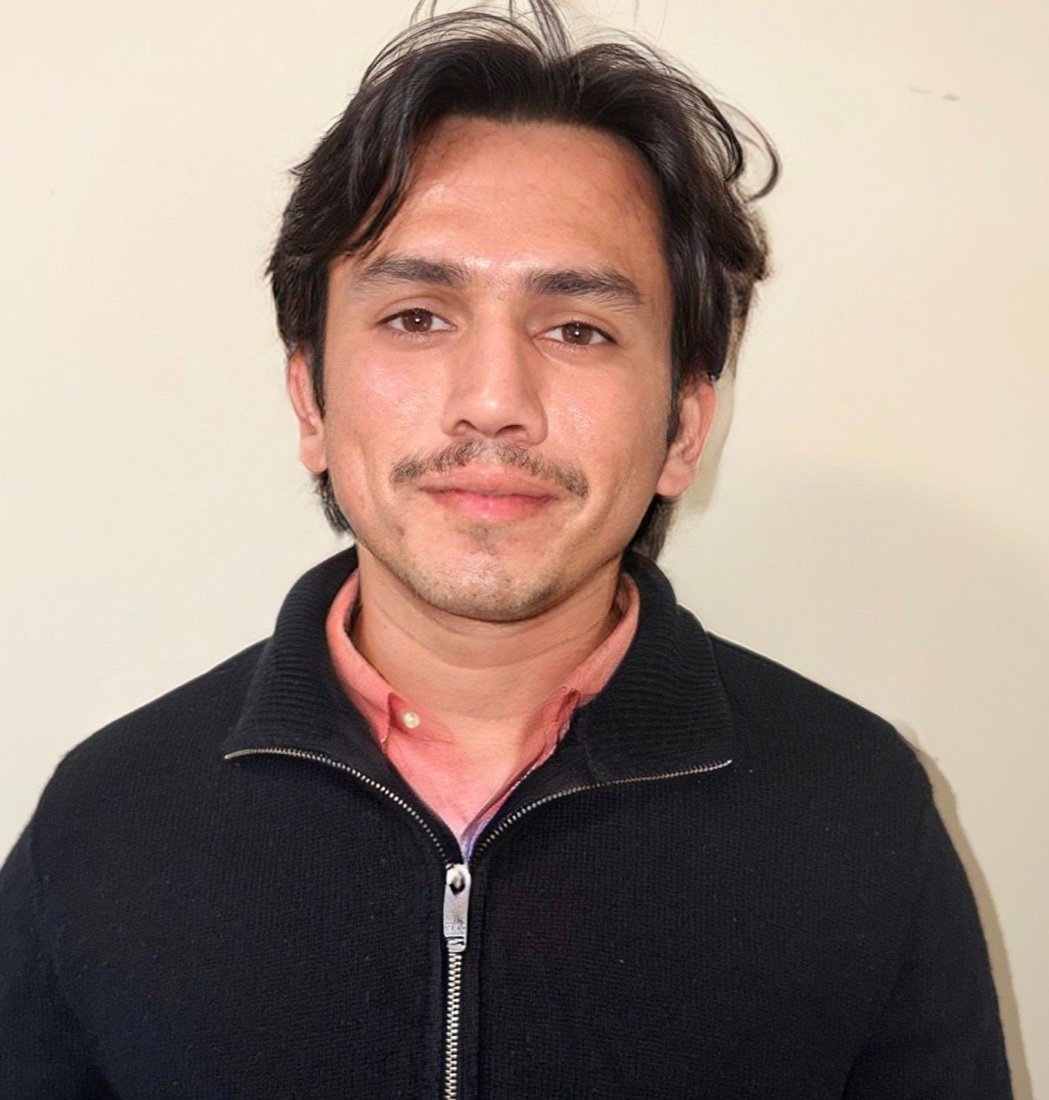
Founder / Break The Barrier
Tushar Ingle is an emerging leader in behavioural wellbeing innovation, specialising in the application of engineering systems thinking to early-intervention and behavioural risk prevention.
Founder information
Tushar holds a Master of Engineering (Electrical with Business) from the University of Melbourne and developed BTB from student and community implementation contexts in Australia.
His work translates root-cause analysis, process stability, risk prevention, and continuous improvement into structured, repeatable behavioural frameworks that support regulation and sustained functional performance.
Master of Engineering, University of Melbourne.
Root-cause analysis, QMS thinking, risk prevention, and process stability.
Early-intervention awareness programs within Australian student communities.
How the system works
Uses why-why analysis to identify the underlying drivers of avoidance, overload, or disengagement rather than treating surface habits alone.
Uses small, repeatable behavioural adjustments that compound into improved stability, consistency, and sustainable functional performance.
Structures digital, environmental, and behavioural inputs to reduce friction, minimise overload, and support focus in daily life.
Community implementation
BTB has been delivered through early-intervention awareness and behavioural framework workshops in student accommodation settings, including UniLodge Australia and Y Suites. These sessions support participants to recognise behavioural triggers, regulate overload, and interrupt avoidance patterns early.

Group-based behavioural framework implementation.
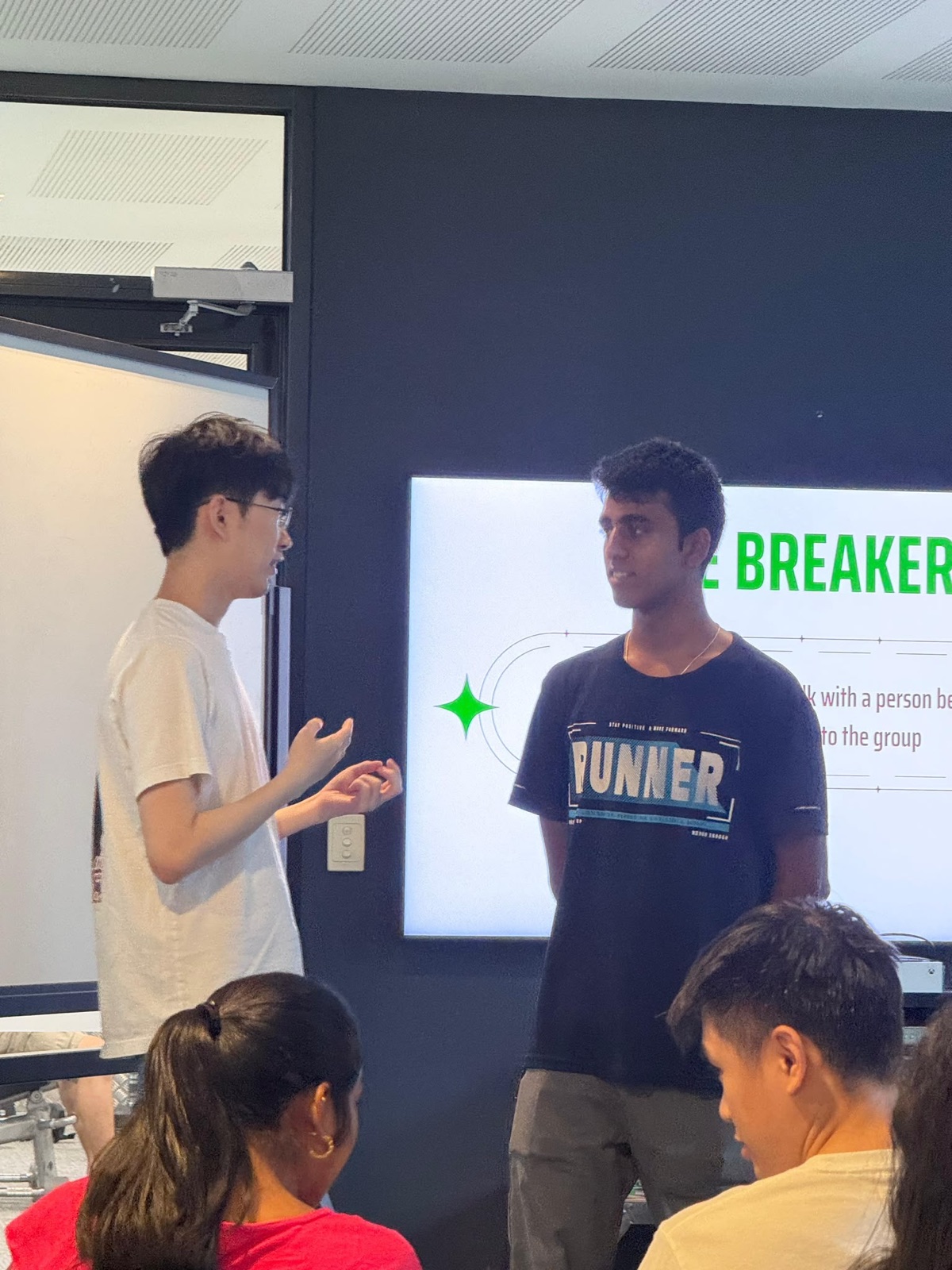
Peer discussion and behavioural framework activity.
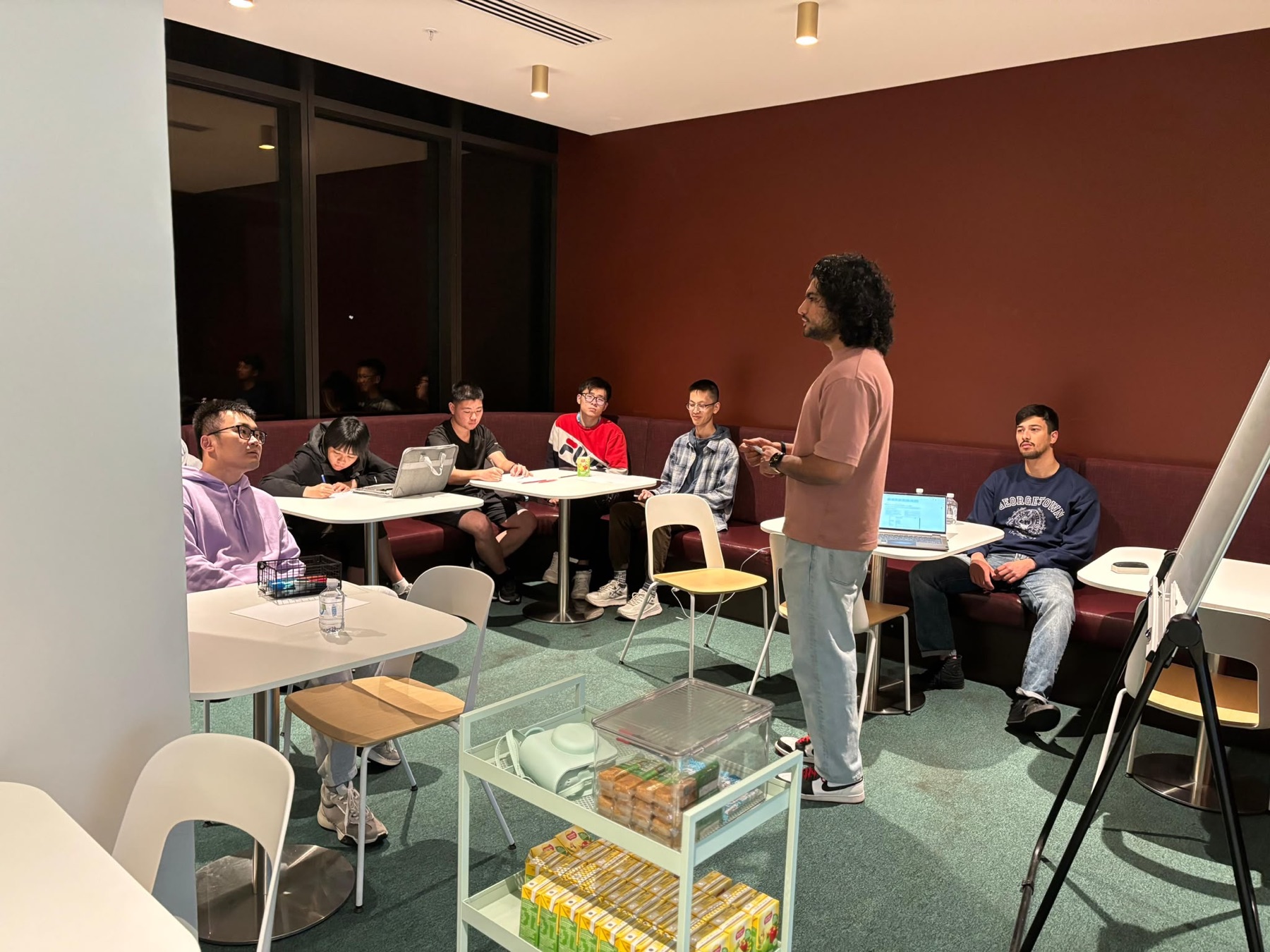
Structured early-intervention awareness in student settings.