About Break The Barrier
Break The Barrier (BTB) is a behavioural wellbeing initiative that applies engineering systems thinking to behavioural regulation and digital-age resilience. Our work is built on principles used in high-performance industries — including why-why root cause analysis, Kaizen continuous improvement, and 5S clarity systems — adapted for young people’s behavioural patterns.
Rather than addressing surface-level behaviours such as procrastination, distraction, or emotional overload, BTB focuses on understanding the underlying behavioural mechanism:
Trigger → Thought → Emotion → Body Sensation → Escape Behaviour
By understanding this loop, individuals learn to intervene early — before stress escalates or functional performance is disrupted.
Young people in Australia and across the world are growing up in environments shaped by constant notifications, comparison, fragmented attention, and digital overstimulation. These pressures contribute to behavioural instability not because individuals lack discipline, but because their internal systems are not designed to handle sustained cognitive and emotional load.
Australia’s growing focus on digital wellbeing reflects this shift. BTB identified this emerging pattern early, prior to broader public awareness.
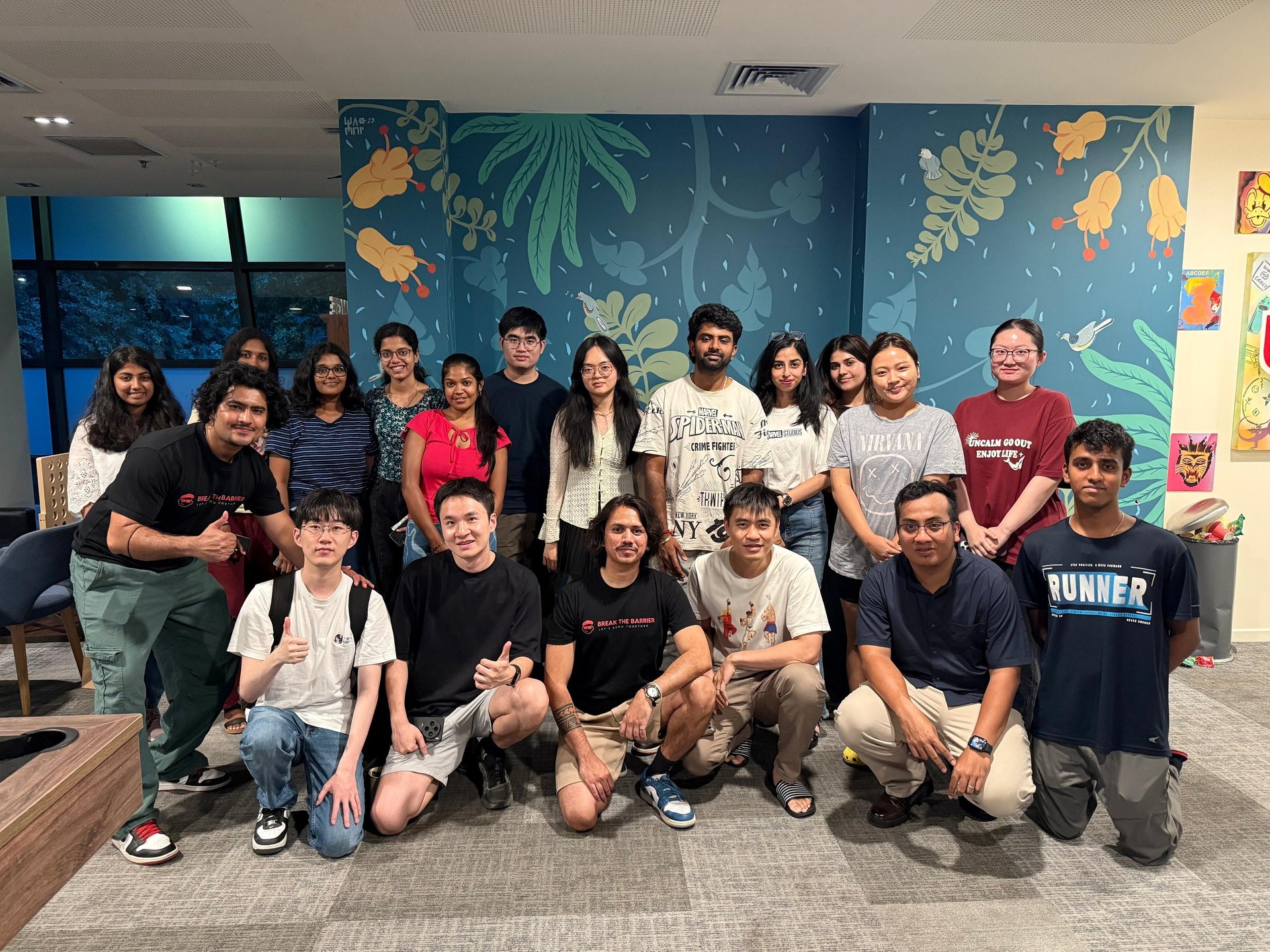
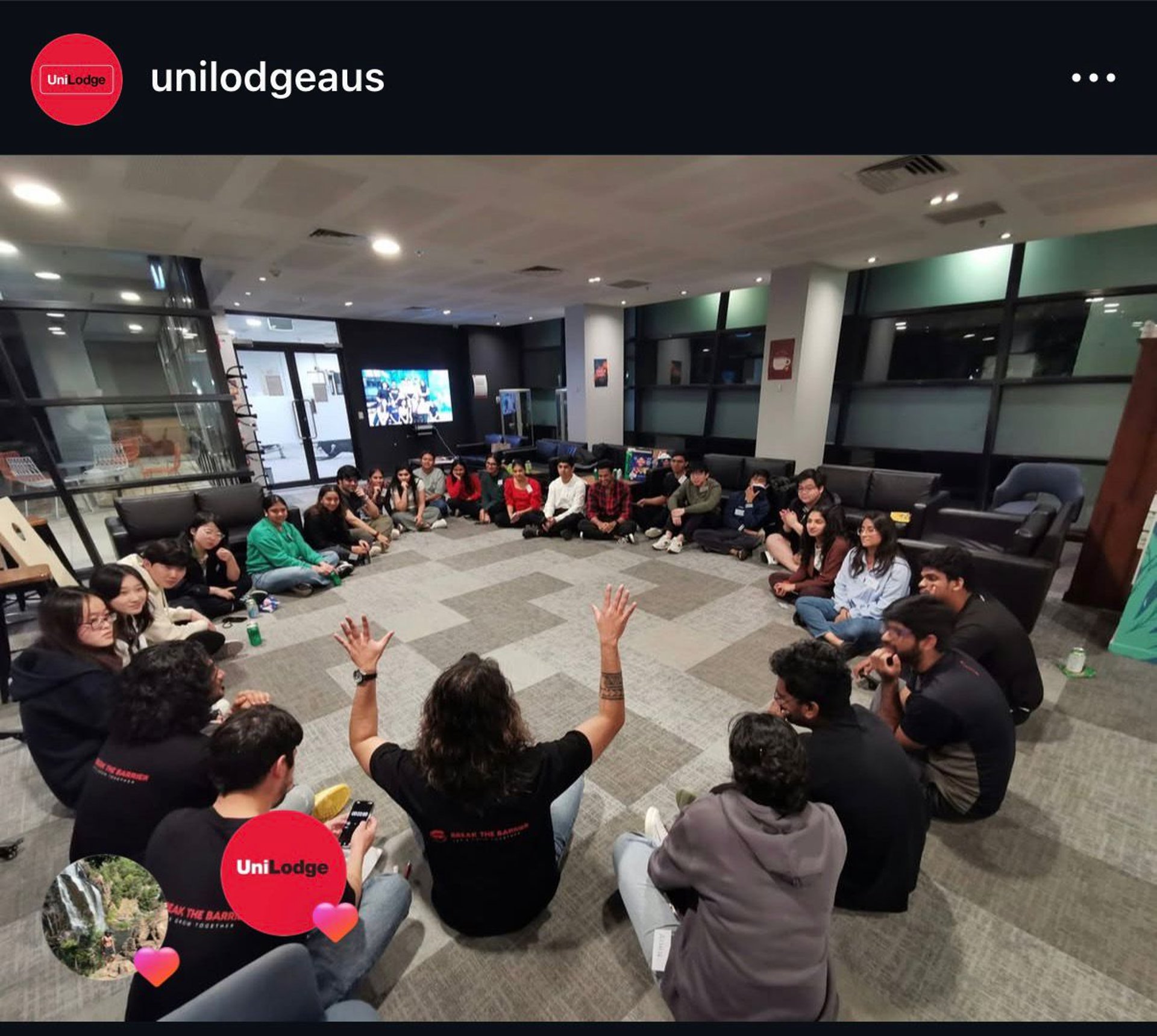
Since 2023, BTB has delivered early-intervention awareness programs within UniLodge Australia’s student communities, supporting young people to understand behavioural triggers, regulate overload, and strengthen internal systems through structured, simplified, and repeatable processes.
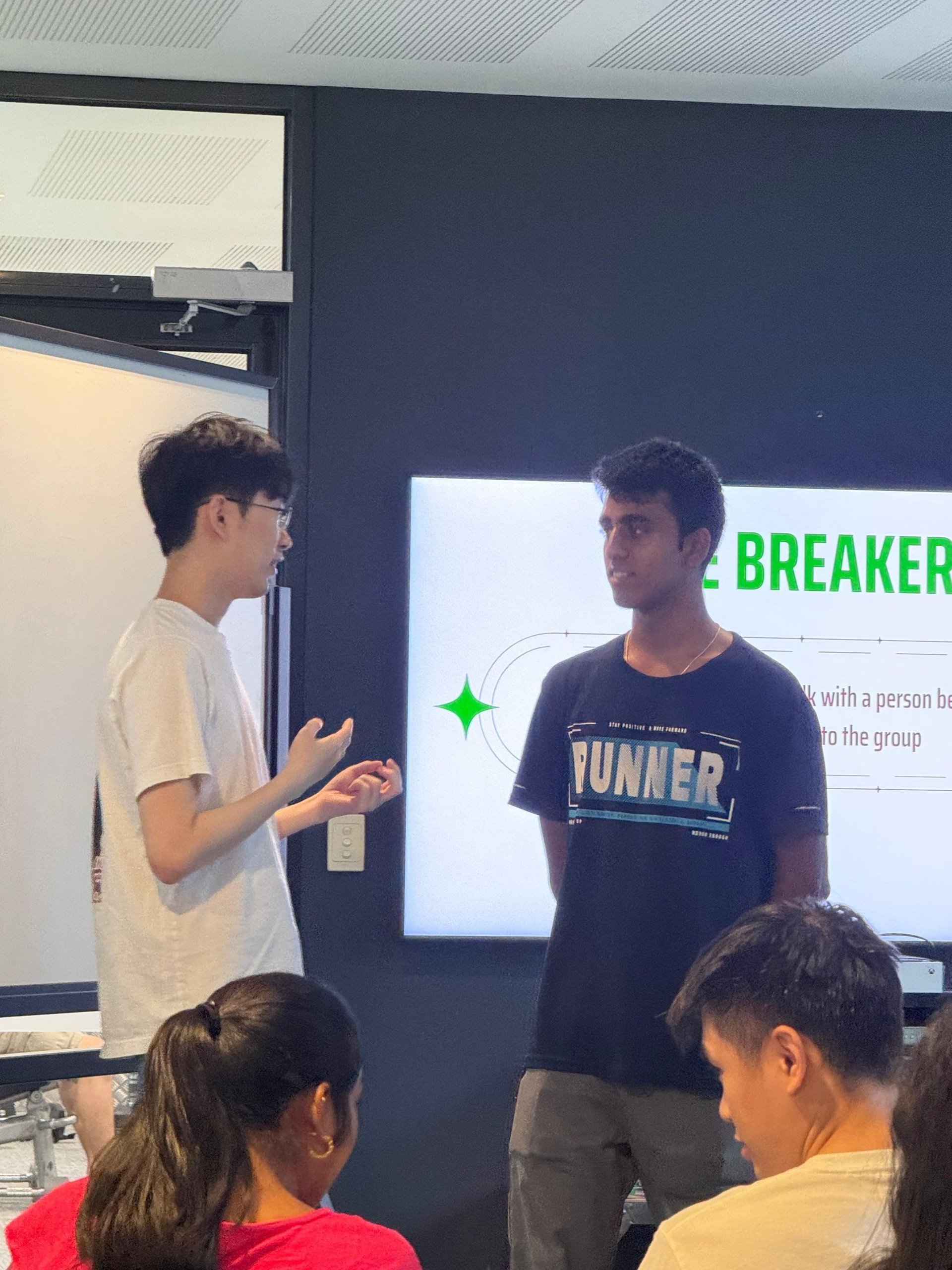
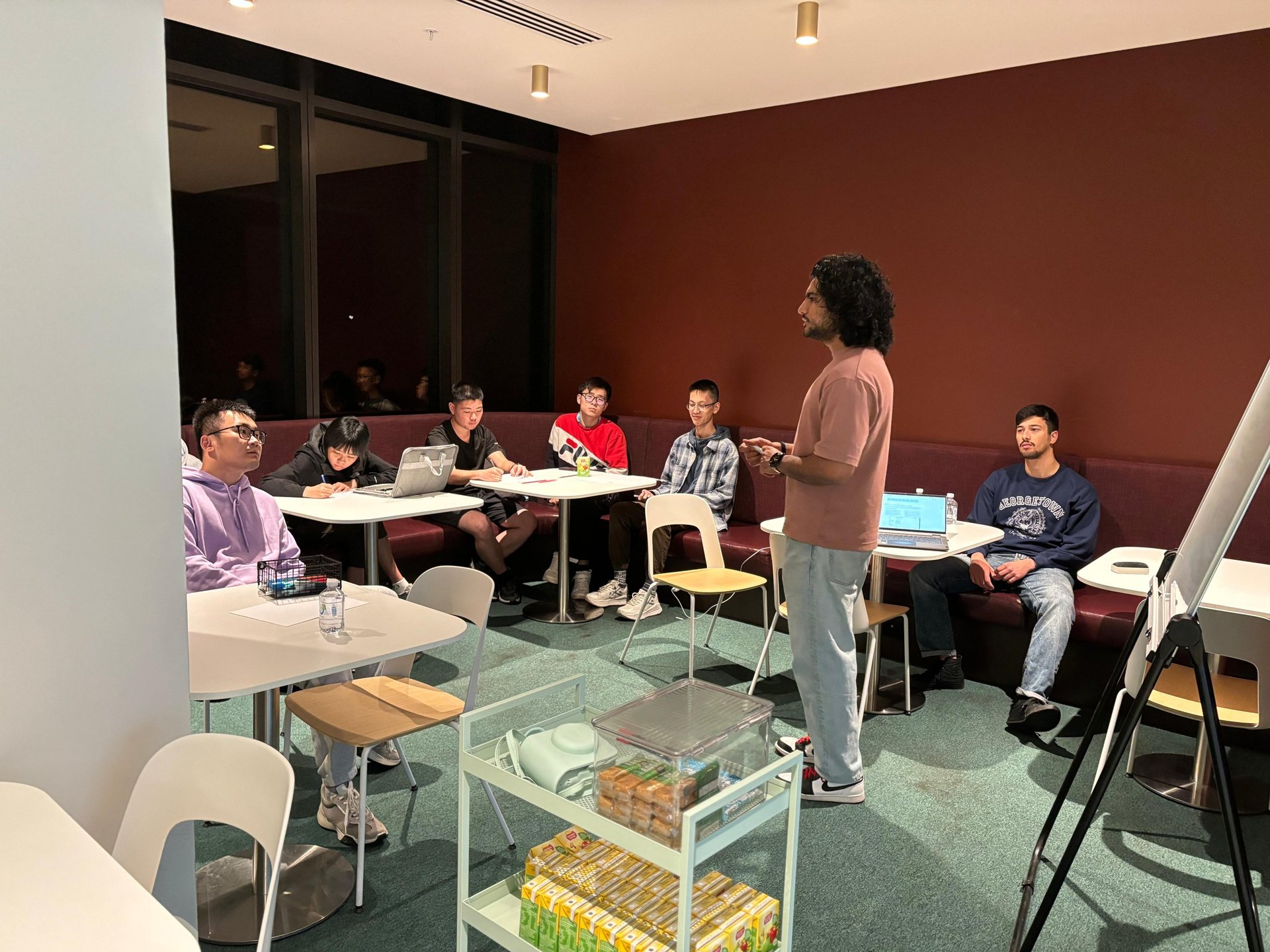
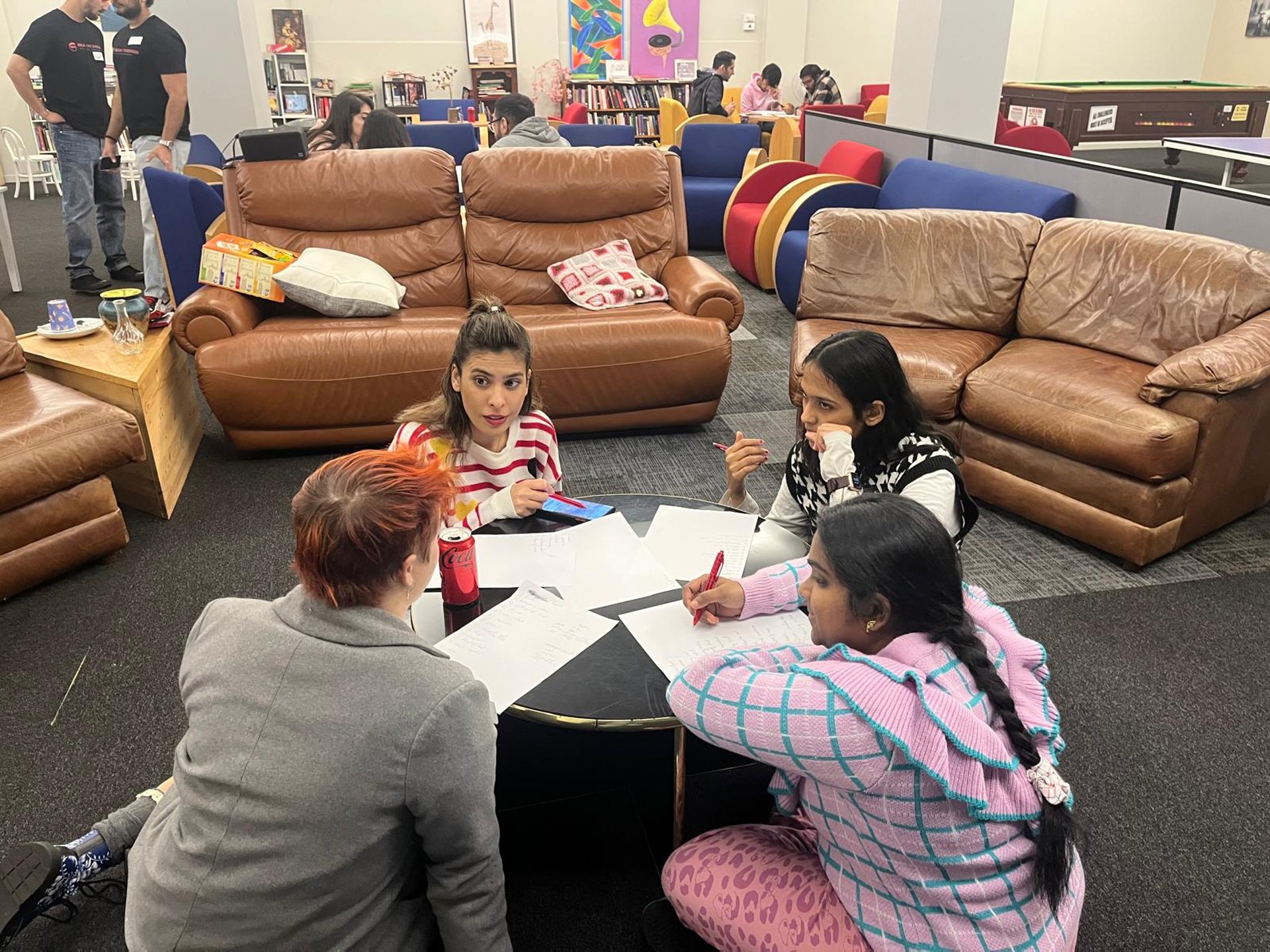
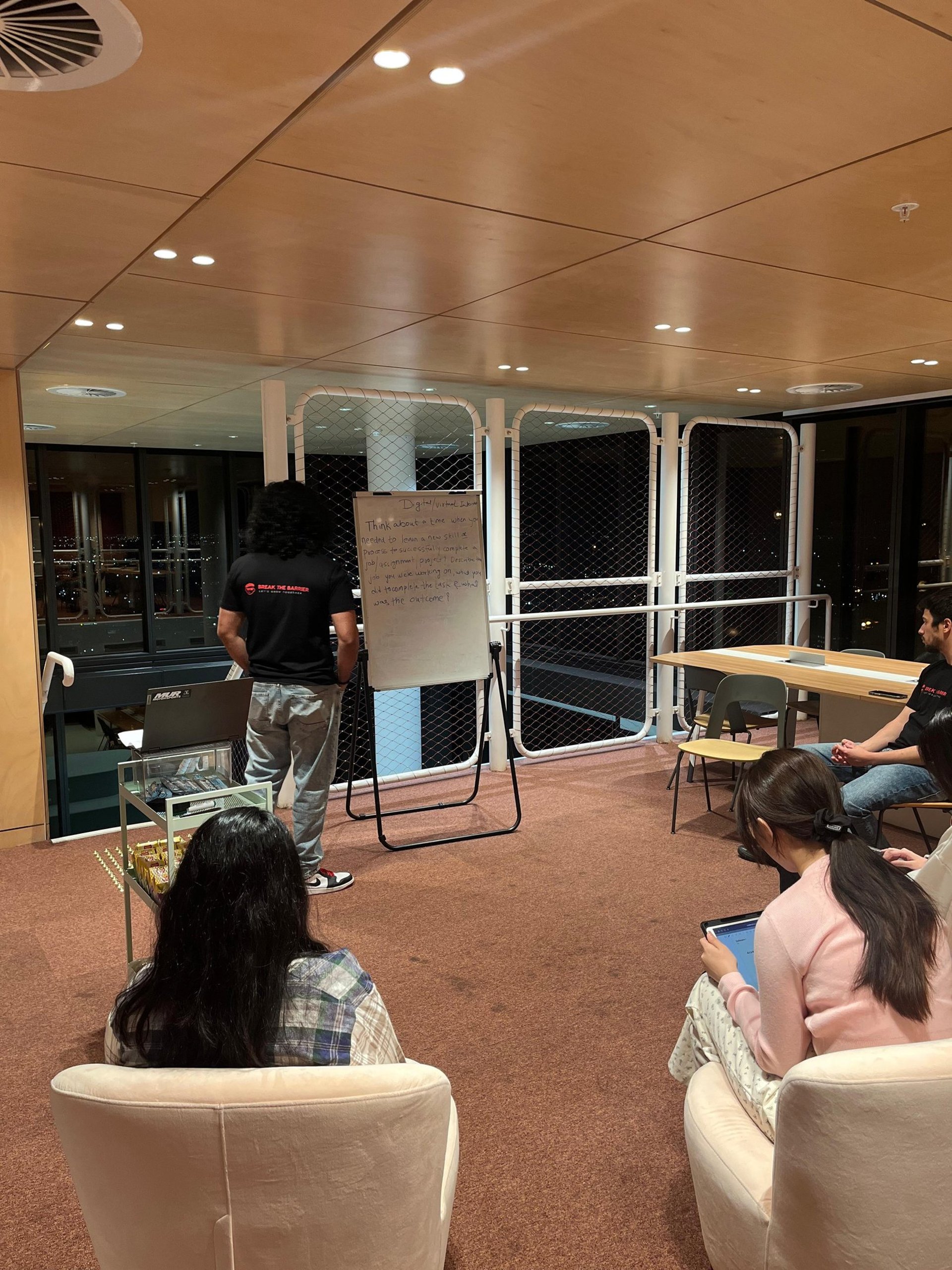
Group-based behavioural framework implementation delivered within a student community in Australia.
Our mission
To equip young people with practical behavioural self-regulation systems, built on engineering principles, enabling early recognition of stress signals, reduced escalation, and sustained functional performance in digitally demanding environments.
Our vision
A future where early-intervention behavioural systems are widely accessible across education and community settings, supporting healthier engagement, resilience, and productivity — making prevention the standard rather than the exception.


BTB Founder


Tushar Ingle
Founder / Break the Barrier
Tushar Ingle is an emerging leader in behavioural wellbeing innovation, specialising in the application of engineering systems thinking to early-intervention and behavioural risk prevention. His work focuses on designing structured, repeatable frameworks that support behavioural regulation and sustained functional performance in digitally demanding environments.
He holds a Master of Engineering (Electrical with Business) from the University of Melbourne and is an awardee of the fully funded Rajarshi Shahu Maharaj Foreign Scholarship from the Government of India, granted on academic merit for overseas postgraduate study.
Prior to his postgraduate studies, Tushar worked in the manufacturing sector in India as a Quality Management Systems (QMS) engineer, where he developed formal capability in root-cause analysis, process stability, risk prevention, and continuous improvement. He holds Six Sigma Yellow Belt training and is certified as an Internal Auditor for IATF 16949:2016, reinforcing his grounding in system governance and failure-prevention methodologies.
From 2020, he began applying these systems principles at an individual level within educational and performance contexts as a proof-of-concept phase. From 2023 onwards, this work evolved into structured early-intervention deployments across student and education-adjacent environments, including implementation within UniLodge Australia’s student communities, alongside scalable digital programs.
Tushar is the developer and innovation lead of the Break The Barrier (BTB) behavioural framework. Framework design and early validation occurred prior to commercial activity, with paid implementation and monetised delivery commencing in June 2024 following successful early-stage deployments. Commercialisation and educational dissemination are supported through collaboration with Australian-based partners, while system design, evolution, and intellectual direction remain under his leadership.
Through this work, he is developing preventive, non-clinical behavioural infrastructure that addresses emerging health risks upstream and contributes to Australia’s long-term priorities in preventive health, workforce resilience, and productivity.
How our System Works
Break The Barrier applies behavioural engineering principles to help individuals recognise internal triggers, interrupt automatic avoidance patterns, and strengthen behavioural regulation over time. While the framework was initially developed to support young people, the underlying behavioural mechanisms it addresses are universal — making it applicable across education, work, and personal performance contexts.
The framework translates proven engineering concepts into practical behavioural systems:
Root-Cause Behaviour Mapping (Why-Why Analysis):
Identifies the underlying drivers of avoidance, overload, or disengagement rather than addressing surface-level habits alone.
Kaizen Continuous Improvement:
Uses small, repeatable behavioural adjustments that compound over time, supporting stability, consistency, and sustainable functional performance.
5S Clarity Systems:
Structure digital, environmental, and behavioural inputs to reduce friction, minimise overload, and support sustained focus in daily life.
The BTB Early-Intervention Framework:
A structured, step-by-step process that teaches individuals to notice early internal “fault signals” and intervene before stress or disengagement escalates.
Workshops and Community Programs:
Delivered across student communities in Australia and available to individuals and professionals seeking stability in high-pressure, digitally demanding environments.
This is not a clinical or therapeutic service.:
It is a practical, engineering-inspired behavioural system that strengthens regulation the same way engineering strengthens critical infrastructure — through clarity, structure, and early intervention.
By reducing repeated behavioural breakdowns and reliance on reactive support, the framework supports more sustainable participation in education, work, and community life over time.
Age & Participation
The framework supports individuals aged 16–55. Participants under 18 require parent or guardian consent in line with Australian guidelines. While early deployments focused on young people, the behavioural mechanisms addressed remain consistent across age groups; only the surrounding environments change.
Explore the BTB Framework
If you are interested in understanding how behavioural engineering principles can support early intervention and long-term stability, you can request an introductory framework discussion.
These sessions are designed to explain how the BTB system works, the types of environments it has been applied in, and whether the framework may be relevant to your context.
They are informational in nature and focus on system structure, early-intervention logic, and implementation pathways.
Break The Barrier – Behavioural Engineering for Emotional Stability
Serving individuals aged 16–55.
Participants under 18 require parent/guardian consent.
© 2025 Break The Barrier. All rights reserved.
Address
800 Swanston Street, 3053
Melbourne, VIC, Australia.
Contacts
0422310079
info@breakthebarrierbtb.net